The science
Nearly half of adults in the United States have high blood pressure—and a whopping 41% don’t even know it, according to the Centers for Disease Control and Prevention (CDC). Recent data published in JAMA also show that nearly 70% of adults with hypertension were unaware their blood pressure was uncontrolled.
Blood pressure matters because if it stays too high, it can strain your heart and damage your blood vessels over time, raising your risk of heart attack and stroke. While it’s routinely checked at the doctor’s office, experts recommend that people with high blood pressure track it at home as well.
Blood pressure readings consist of two numbers: systolic and diastolic. The systolic pressure measures the maximum force your blood exerts against artery walls when your heart beats, while diastolic measures the pressure in your arteries between beats when your heart is resting.
- Normal blood pressure is less than 120/80 mmHg
- Elevated blood pressure is systolic 120-129 mmHg and diastolic blood pressure less than 80 mmH
- Blood pressure higher than 130 mmHg systolic and/or 80 mmHg diastolic is considered hypertension
Even small changes in blood pressure can significantly impact the chance of having a cardiac event down the road, which makes it crucial to catch elevations in blood pressure early and notice (and treat) changes over time. In fact, recent data show that each 5 mmHg reduction in systolic blood pressure results in 10% fewer major cardiovascular events (heart attack, stroke, heart failure, and all-cause mortality). In addition, an extra 10–15 mmHg reduction in systolic blood pressure results in a 15–20% relative reduction in mild cognitive impairment and dementia over a three- to five-year period, according to a major recent paper.
Logging your numbers helps catch changes early and shows whether what you’re doing—like diet, exercise, or medication—is actually working.
The potential benefits of home BP monitoring
Studies show that people with hypertension who use home blood pressure monitors are more likely to improve their blood pressure. The reason for this correlation is that using a blood pressure cuff at home may help those with hypertension to be more attuned to their condition, reminding them to better adhere to their interventions and medications.
“Patients who know their blood pressure readings have a much better prognosis,” says Dr. Jaime Burkle, a top preventive cardiologist and Chair of Cardiology at Atria. “People who know their numbers tend to grow older stroke-free compared to their counterparts who don’t.”
Monitoring your blood pressure also creates a useful feedback loop — if you skip a dose of medication, you'll likely see the effect when you check your numbers. Similarly, if you start to consistently exercise, your numbers will show a decrease, helping you see the feedback that keeps you on track.
Keeping a home log is also a helpful way to share your progress with your cardiologist as you work together to identify effective interventions.
Usage guidelines
Checking your blood pressure at home is a simple way to stay on top of your health in a calm atmosphere. For best results:
- Check your blood pressure before having caffeine or nicotine, or wait 30 minutes after caffeine or nicotine
- Go to the bathroom first
- Sit in a chair with full back support and with both feet planted on the ground—don’t cross your legs or your ankles
- Sit quietly for 3-5 minutes first; this will help get an accurate reading. Think of it as an opportunity for you to build a moment of mindfulness into your day.
- Put the cuff on a bare arm, not over clothing
- Rest your arm on a table or the arm of your chair or couch, at heart level
- Avoid conversation while you take your reading; talking and active listening can alter your blood pressure
Brand and care guidelines
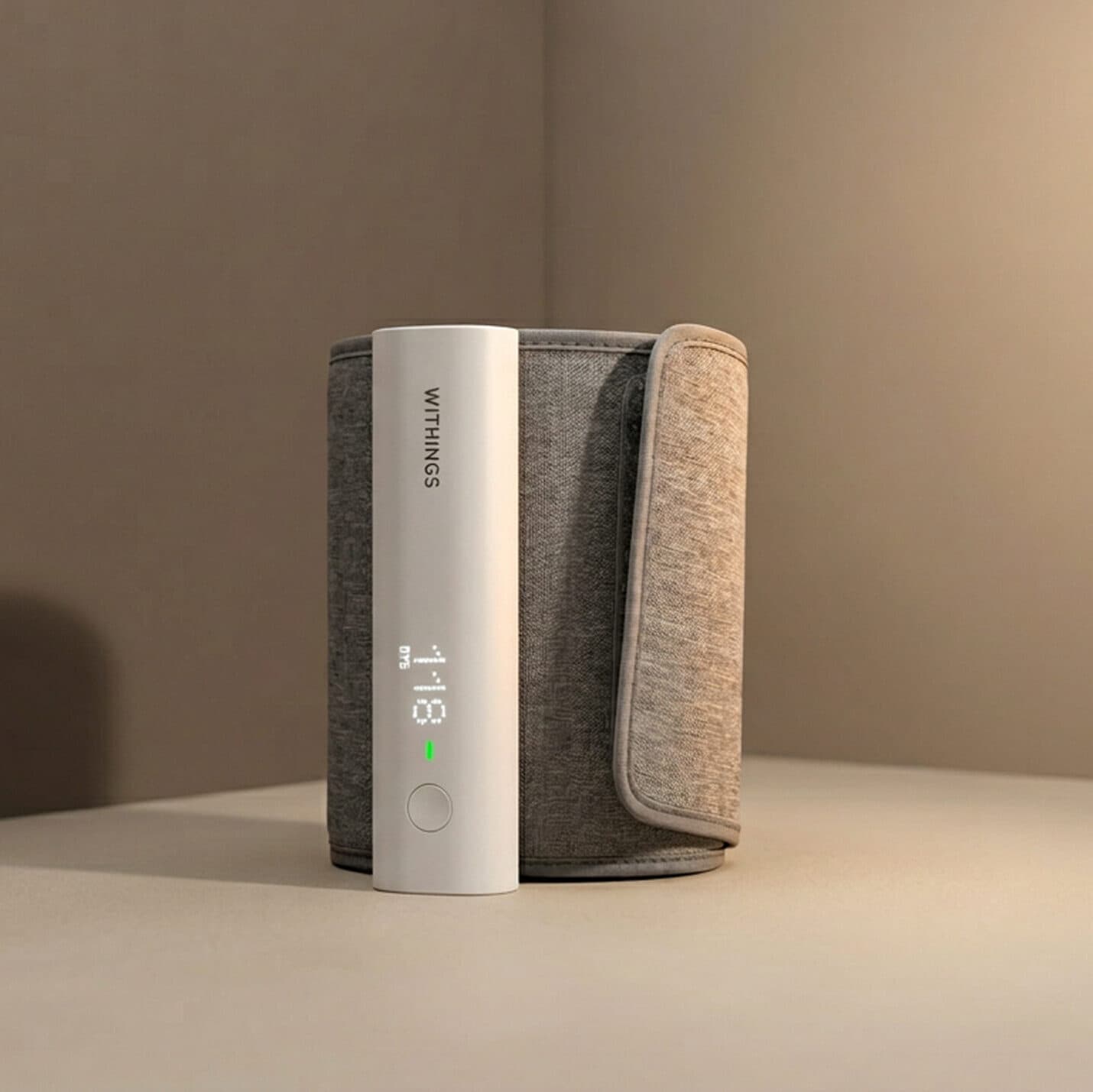
Omron and Withings are both trusted brands with a wide range of prices and features available. To save the trouble of writing down your readings, both brands have bluetooth-connected devices with apps that automatically track each reading you take. If you have another device at home or want to know other trusted devices, validatebp.org is a fantastic reference.
- If your cuff is more than three years old, invest in a new one—most cuffs lose accuracy over time
- Make sure you’re using fresh batteries; low batteries can interfere with an accurate reading
- Bring your blood pressure cuff to your next appointment to check its accuracy against a professional instrument
- Make sure you are using the correct cuff size; your cardiologist can help you check
A note on more advanced BP monitoring
Some people with or at risk for hypertension can benefit from a more intensive form of monitoring called ambulatory BP monitoring. By wearing a small cuff that automatically measures blood pressure at regular intervals, your doctor can get a more accurate picture of your BP trends. This can help doctors personalize treatment by identifying patterns that might be missed in the office, such as white coat hypertension (high readings only in a clinical setting) or masked hypertension (high blood pressure outside the office). Ask your doctor if this approach is right for you.